What is operations, and what does it actually do?
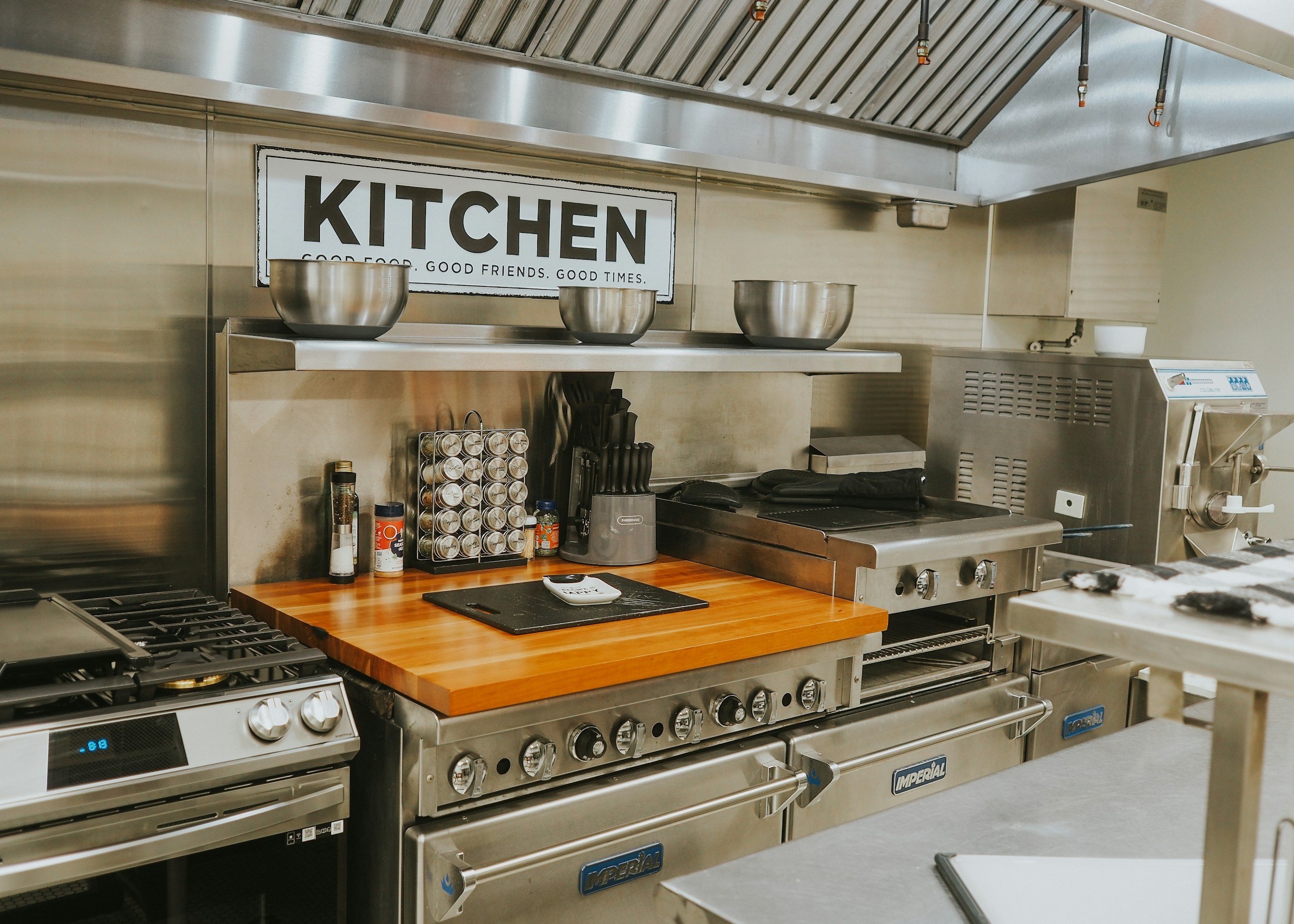
Think of it like a restaurant. The front of house is what the customer sees: the welcome, the menu, the experience. But none of that works without the kitchen, the suppliers, the stock management, the rotas, the systems that make sure the right ingredients arrive at the right time.
Ask ten people what "operations" means and you'll get ten different answers.
It's one of those words that everyone uses and almost nobody defines. Which is a problem, because if you don't know what operations is, you can't know when yours isn't working.
So let me try to define it properly.
Operations is the engine room
Operations is everything that happens behind the scenes to make the customer-facing stuff possible.
If sales and marketing are about bringing people in, and delivery is about serving them well, operations is what makes sure both of those things can happen consistently, efficiently, and without the founder holding it all together in their head.
Think of it like a restaurant. The front of house is what the customer sees: the welcome, the menu, the experience. But none of that works without the kitchen, the suppliers, the stock management, the rotas, the systems that make sure the right ingredients arrive at the right time. The front of house gets the attention. The kitchen makes it possible.
Operations is your kitchen.
What does it actually look like in practice?
For a small or growing business, operations covers the systems, processes, tools and rhythms that keep things running day to day:
How enquiries are handled from the moment they come in. How work gets tracked so nothing falls through the cracks. How information is stored so anyone can find what they need without asking three people. How the team knows what to do and when, without the founder being the answer to every question. How clients are onboarded, communicated with and looked after consistently. How the business protects itself through the right policies, processes and documentation.
When operations works well, you barely notice it. Things just happen. Clients have a consistent experience. The team knows where to look. The founder can take a day off without their phone exploding.
When it doesn't work, everything feels harder than it should. Simple things take too long. The same questions come up over and over. Important things get missed. Growth starts to feel like a threat rather than a goal, because there's no infrastructure to support it.
Why small businesses often struggle with this
Unfortunately most small businesses don't invest in their operations until something goes wrong.
In the early days, informal works fine. The founder knows everything, does everything, and can hold it all in their head. But as the business grows, more clients, more team members, more complexity, that informal approach starts to crack. What worked when there were two of you doesn't work when there are six. What worked when you had five clients doesn't work when you have twenty.
The founder ends up as the single point of failure. Every decision comes through them. Every question lands with them. Every process exists only in their memory. And the business can only grow as fast as they can personally handle.
That's the moment operations becomes urgent. And it's usually the moment people call me.
The best system is the one people actually use
Something I've learned from building operational systems across many different organisations: the most beautifully designed process in the world is worthless if nobody uses it.
I've seen it happen. Someone invests time and energy building a comprehensive system: a perfectly structured CRM, a detailed project management setup, a thorough policy suite, and six months later it's been quietly abandoned. People have drifted back to their old habits, their email inboxes, their shared spreadsheets, because the new system didn't fit how they actually work.
That's why buy-in isn't an afterthought in how I work. It's part of the design process.
Before I build anything, I want to understand how the team actually operates. What tools do they already use? Where does information naturally live? What are the friction points that slow people down? What would make their day genuinely easier?
The answers to those questions shape everything. Because the best operational system isn't the most sophisticated one. It's the one people reach for naturally, because it makes their life easier rather than harder.
Operations isn't a one-off project
One more thing worth saying: good operations isn't something you sort once and forget about.
Businesses change. Teams grow. Clients evolve. What worked six months ago may not work now. The tools that suited you as a sole trader may not suit you as a team of five. The processes that worked when you had ten clients may need rethinking when you have thirty.
Good operations means building something that works now and can grow with you. It means reviewing things regularly and being willing to adjust. It means treating your business infrastructure as something that needs ongoing attention, not a box to be ticked.
That's partly why I work with clients on an ongoing basis rather than just parachuting in, delivering a project, and disappearing. The real value comes from understanding a business over time and being there as it evolves.
So does your business need an operations overhaul?
Not necessarily an overhaul. Sometimes it's just a tune-up. Sometimes it's identifying the one or two things that are causing the most friction and fixing those first.
The starting point is always an honest look at how things actually work right now. Not how they're supposed to work. Not how they worked a year ago. How they work today, for the people doing the work.
If you'd like to have that conversation, I'd love to help. Get in touch here and we can work out where to start.
You might also find these posts useful while you're here:
Victoria Lincoln is a fractional operations partner helping small businesses, start-ups and purpose-led organisations get their systems, processes and day-to-day running properly sorted. Hands-on delivery, without the overhead of a full-time hire. Working remotely from Devon across the UK and Ireland. Find out more at The Efficiency Partner.
